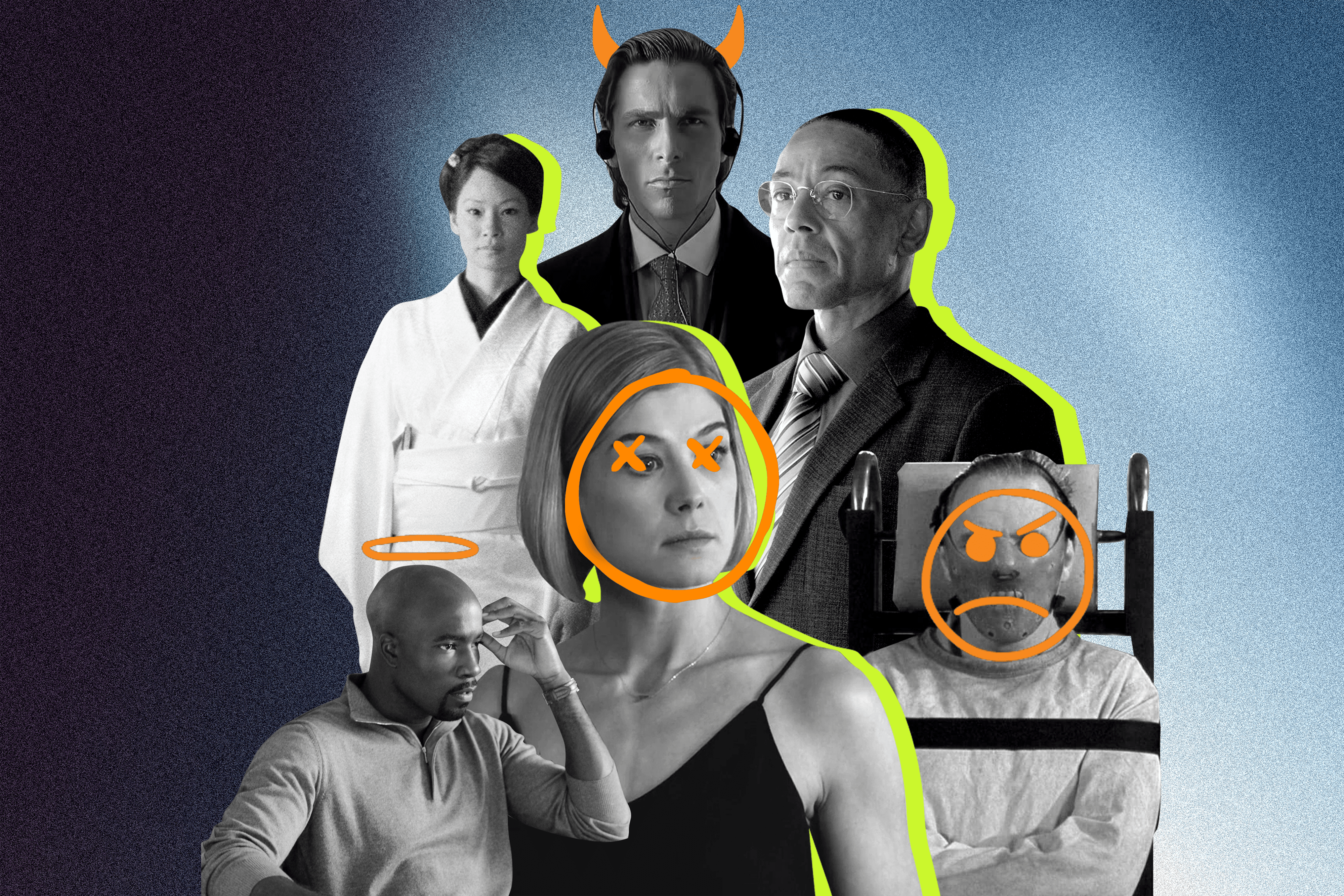

A Counter-Narrative on Labels, Laws & Liberation
Let’s get one thing clear right away:
This post is not here to defend harm.
It’s here to unpack how we’ve come to define it.
Because if we live in a system built on exploitation, deception, coercion, and social engineering—
And we call some people “sociopaths” for not playing along…
Then who exactly are we trying to protect?
And who are we still allowing to write the definitions?
Intentions matter. And so do the myriad perspectives through which action is viewed. We all come from different stories, and no one—no one—has ever agreed on just one correct way to be human. So perhaps it’s time we stop trying to.
Compassion is Perspective, Not Permission
For months, I’ve been offering whatever perspectives life allows me to channel in the moment on this blog.
No filter, no hierarchy, just raw resonance.
And recently, that’s led me to sit with a word that carries fire: sociopathy.
I am honored to be able to frequency-hop across timelines—meeting consciousness in any of its manifestations here in the 3D. Each encounter, even with what we’ve been taught to fear or label as “other,” lays the groundwork for a deeper compassion.
And maybe that’s all compassion really is: the willingness to hold new perspectives in our body without rejecting them. When we remember we are all fractals of one consciousness, it becomes clear that every role, every distortion, every archetype exists because consciousness needs them to—because its own survival depends on the full spectrum expressing exactly as it does.
Nothing is random. Even the most painful expressions are purposeful in the larger code. And when I can gently witness the parts within me that reflect what has been pathologized as sociopathic, I don’t flinch—I offer compassion.
Not justification, but perspective. Because sometimes the only way to expand is to consider the reflection we fear most.
So I got curious.
What is sociopathy, really?
According to modern psychology, it includes things like:
- Disregard for social norms
- Deceitfulness
- Impulsivity
- Irresponsibility
- Lack of remorse
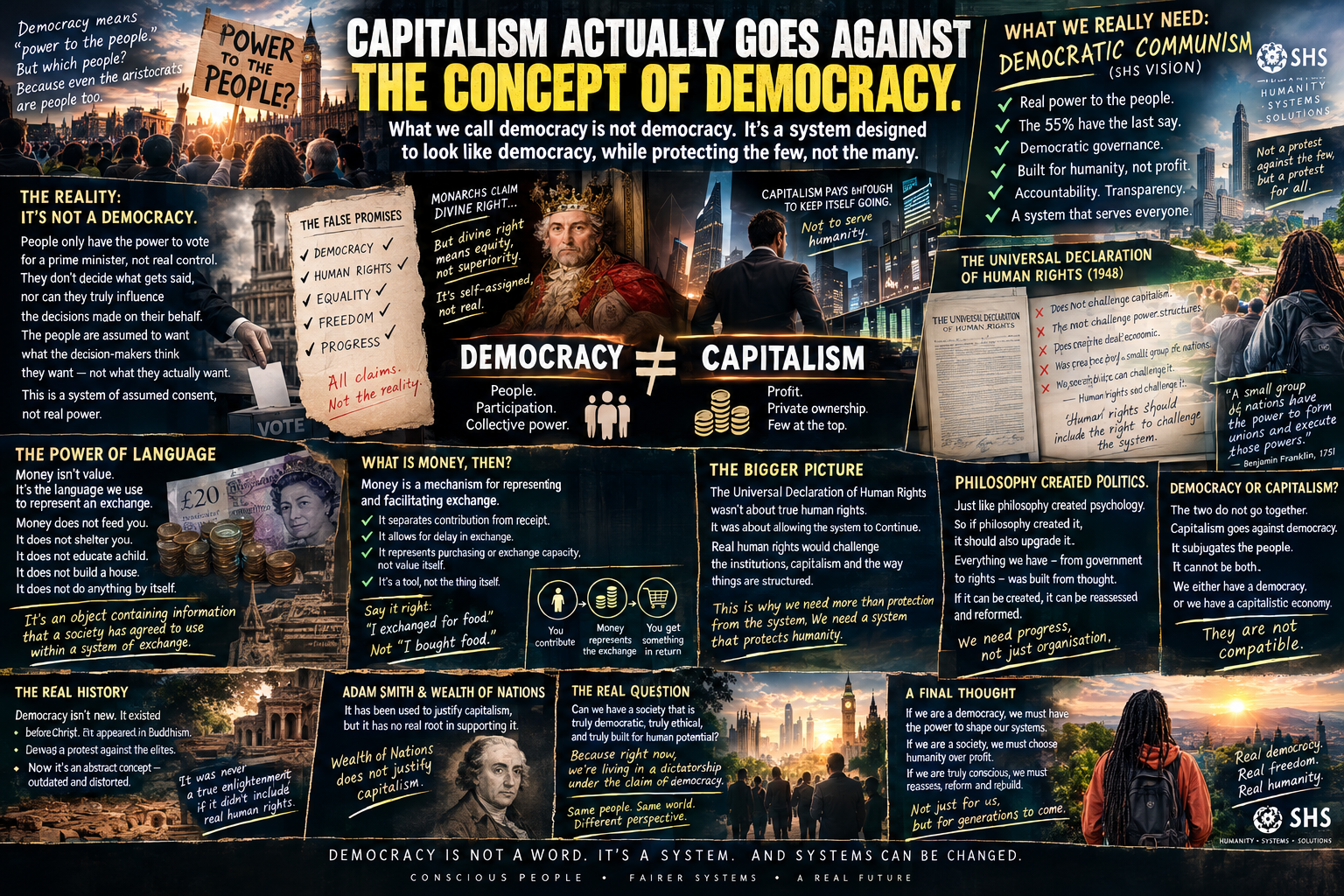
Sounds like… 90% of late-stage capitalism’s success stories?
Sounds like… most empires in history?
If we can’t separate the system that defines these behaviors from the beings who embody them, we’re just reinforcing each other’s cages—one narrative at a time.
“We could also say that what I’m writing now irritates some and is aggressive to others—I guess sociopathy is perception innit?!”
Let’s Talk “Disregard for Social Norms”
If the social norms are rooted in violence, colonization, censorship, and fear…
Why shouldn’t they be disregarded?
When a system is built to suppress authenticity,
A natural reaction is to rebel.
Some do it in subtle ways.
Others crash through walls.
And let’s be real—
Some people are just born to be circuit breakers.
To shake the collective into asking:
“What if this isn’t actually normal?”
“Even the strawman—our name on paper that governments hold over us and call a birth certificate—becomes the very thing that injects us into this soul-sucking system where we must pay to exist and exist to pay.”
Has the indoctrination gone so deep into our bones that we now mistake “being human” for being a barcoded unit in a bureaucratic simulation? Have we confused our essence with our ID numbers?
Deceit or Manifestation?
Now here’s where it gets spicy.
Deceitfulness gets labeled sociopathic.
But what is manifestation if not an intentional rejection of “what is,”
In favor of “what could be”?
What is scripting, vision boarding, or even prayer
If not telling reality a lie until it believes you?
And in terms of personal development—
Don’t we all create new versions of ourselves through a bit of selective storytelling?
Where’s the line between self-delusion and self-creation?
And who decides which side of the line someone falls on?
“Deceitfulness is the antithesis to manifestation and speaking things into existence. Nothing is set in stone just because we think it is.
How many thought they were simply going home that day… on the Titanic? On 9/11?
Just because the context changes, doesn’t mean the sacred choreography of departure is any less divine. The soul always knows.”
Impulsivity or Flow?
They say sociopaths act impulsively.
But when the inner child whispers, when the energy is ripe, when synchronicity strikes—
You move. You flow. You act.
Impulsivity isn’t always recklessness.
Sometimes, it’s alignment without delay.
Sometimes, it’s spiritual obedience.
Sometimes, it’s joy.
The world wants “measured responses,”
But the soul wants to live.
“Isn’t impulsivity also letting go and being free—to be spontaneous when the inner child calls for it, to allow yourself to be one with the flow of life?”
Irresponsibility or Refusal to Be Enslaved?
Failure to sustain “work” or obligations?
What timeline are we even talking about here?
Because if the 9-to-5 hamster wheel feels like spiritual death…
Is leaving it irresponsibility—or evolution?
And if you’ve ever walked away from something “secure” that was silently suffocating you or self-inflicted suffocation through,
You know what I mean.
We glorify billionaires for doing the same thing poor people get shamed for:
Racking up debt to build a vision.
Taking risks.
Walking away.
What makes it noble in one context and pathological in another?
“It’s important to understand how we invest our emotions and be able to recollect them just as swiftly if needed. This is not lack of remorse—it’s become a necessity for those who feel deeply.”
Lack of Remorse or Emotional Mastery?
Now this one is sensitive.
Let’s tread carefully.
Lack of remorse is often misunderstood.
But what if—just what if—what we call “lack of remorse”
Is someone’s hard-won emotional sovereignty?
Because when you’ve felt everything deeply,
Eventually, you learn to not let everything knock you over.
It’s not numbness.
It’s discernment.
And sometimes, withdrawing emotion is not avoidance—it’s survival.
It’s being able to feel everything without drowning in anything.
Remorse, too, lives on a spectrum.
Not everyone cries in public.
Not everyone processes guilt the same way.
And not everyone owes you a breakdown to prove they care.
Until whichever thing is, becomes the only bridge to what you desire.
“By observing the term very neutrally, it’s the exact same thing as emotional mastery where the outside world has no impact on your internal.”
So… Who’s the Real Sociopath?
Is it the person who bends rules for freedom?
Or the system that punishes authenticity?
Is it the rebel who questions authority?
Or the authority that labels rebels as mentally unwell?
Is it the one who feels too deeply to stay in pain forever…
Or the one who created a society where people feel shame for healing quickly?
I’m not saying sociopathy isn’t real.
But I am saying the way we talk about it might be more about control
Than compassion.
“If the laws are crooked, it’s good that there’s a chronic disregard for laws and social norms.”
Final Reflection: Let’s Redefine, Not Demonize
Every trait has a light and a shadow.
Disregard for rules can look like revolution.
Impulsivity can look like divine timing.
Detached emotion can look like mastery.
When we box people into terms like “sociopath,”
We risk erasing context.
We risk dehumanizing complexity.
We risk calling natural rebellion a disorder
Because it doesn’t serve the machine.
So let’s be radical.
Let’s sit with the discomfort.
Let’s hold space for all spectrums of behavior and begin to ask deeper questions:
Who benefits from the definitions?
Who profits from the pathologies?
And what happens when we start loving even the most misunderstood parts of ourselves…
Unconditionally?
“They say sociopaths have a weak conscience. I think it’s whether they account for their actions and are considerate enough for the other—and even here, everything is a spectrum of different degrees.
So why are we using so many ugly words to describe things that are natural in later concepts?
No wonder so many of us are recovering from fear of being ourselves in this world. And repressed.”




Leave a Reply