I’ll leave you think the top 10, of those who have entertainment as main businesses.
The goal is to deliver people’s drugs with consciousness.
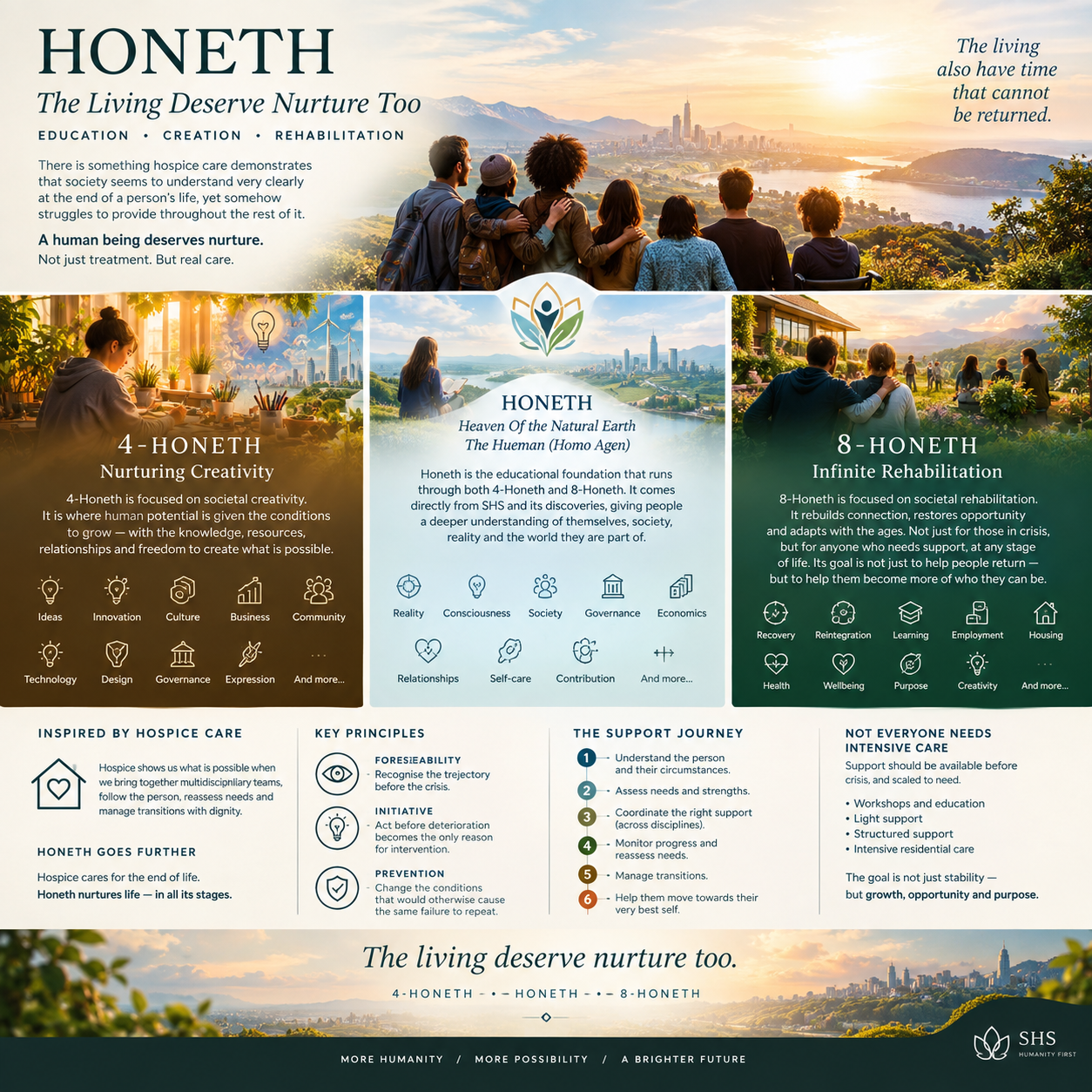
Giving them back entertainment that elevates them, reason why 4HonetH is built the way it’s been built.
Heart to Heart, one Transformation Nurture. Our Consciousness’
The more a society relies on entertainment, the less it is allowed to live.
That isn’t a cultural opinion.
It’s a structural tell.
Entertainment isn’t joy.
It’s sedation.
A fulfilled life does not need to be constantly distracted from itself.
A cared-for population does not need to be numbed.
Yet the loudest countries on Earth — the ones saturated with content, stimulation, spectacle, and noise — are the ones most dependent on being entertained just to tolerate their own existence.
That’s not freedom.
That’s management.
Entertainment Rises Where Agency Falls
There is a direct correlation between entertainment and powerlessness.
As agency decreases, entertainment increases.
As choice narrows, options multiply — but only the kind that don’t matter.
People are kept busy so they don’t notice they are constrained.
Stimulated so they don’t ask.
Entertained so they don’t feel.
Distraction becomes a substitute for dignity.
When you can’t change your circumstances, you are given something to watch.
When your voice no longer moves anything, you are handed something to scroll.
When your labour no longer builds a future, you are offered a storyline to escape into.
And slowly, the ability to sit with one’s own life — to question it, to shape it, to inhabit it — erodes.
The Normalisation of Sedation
This doesn’t happen accidentally.
From the top down, societies normalise this condition by giving toxicity friendly names.
By branding withdrawal as culture.
By glamorising coping mechanisms and calling them lifestyles.
“Netflix and chill” is a perfect example.
You don’t need to make inactivity into an identity unless your life depends on it.
You don’t need to ritualise dissociation unless reality has become something to endure rather than engage with.
The more we glamorise fake dopamine, the worse the society becomes.
Because fake dopamine doesn’t restore agency.
It replaces it.
Bread and Circuses, Upgraded
Bread and circuses never went away.
They just evolved.
They became streaming platforms, infinite feeds, personalised algorithms, and content designed to feel intimate while keeping people isolated.
Modern entertainment doesn’t just distract — it absorbs.
It learns you.
It adapts to you.
It fills every gap where reflection might otherwise arise.
And the cost is subtle but total:
the loss of inner stillness,
the loss of dissatisfaction sharp enough to provoke change,
the loss of boredom — which is often the birthplace of creation.
The Sharp Turn
People don’t binge because they’re happy.
They binge because their lives have been made uninhabitable.
Uninhabitable not in the dramatic sense — but in the quiet one.
Where nothing is technically “wrong,” yet nothing feels alive.
So stimulation replaces meaning.
Consumption replaces participation.
And exhaustion is mistaken for fulfillment.
The Rule of Thumb
There is a simple rule that cuts through all of it:
Question everything that gets glamourised.
If something is being aggressively aestheticised, packaged, and normalised, ask why.
If something is being sold as “relatable” rather than liberating, look closer.
If distraction is presented as culture, something essential has already been taken away.
A society that needs constant entertainment is not joyful.
It is sedated.
And sedation is not peace.
It is the absence of resistance.
The loudest countries are not the happiest.
They are the ones working the hardest not to feel their own lives.
That alone should tell us everything.
Media & Screen-Based Entertainment
- Film industry
- Television networks
- Streaming platforms
- Reality TV
- Talk shows
- Game shows
- Soap operas
- Docu-entertainment
- True crime media
- Binge-series culture
Music & Audio Industries
- Recorded music industry
- Live music & touring
- Music festivals
- DJ culture
- Club music scenes
- Streaming playlists
- Algorithmic music curation
- Podcast entertainment
- Talk radio
- Celebrity audio content
Social Media & Digital Attention Platforms
- Social media platforms
- Influencer economy
- Content creation economy
- Short-form video (reels, shorts, loops)
- Livestreaming
- Parasocial relationship markets
- Engagement farming
- Virality engineering
- Personal branding culture
- Online outrage cycles
Gaming & Interactive Escapism
- Video game industry
- Mobile gaming
- Online multiplayer games
- Esports
- Gambling-style mechanics (loot boxes, skins)
- Virtual worlds / metaverses
- VR entertainment
- Simulation games
- Casual “time-killer” games
Nightlife, Partying & Event Culture
- Clubbing industry
- Party promotion
- Rave culture
- Festival tourism
- Event production
- VIP culture
- Bottle service economy
- After-hours scenes
- Alcohol-centred socialising
- Recreational drug scenes
Fashion, Beauty & Image Industries
- Fast fashion
- Luxury fashion
- Trend cycles
- Seasonal aesthetics
- Beauty & cosmetics industry
- Influencer fashion marketing
- Body modification trends
- Image curation culture
- “Aesthetic” lifestyles
- Status consumption
Celebrity & Spectacle Economy
- Celebrity branding
- Paparazzi industry
- Award shows
- Red carpet events
- Gossip media
- Tabloid journalism
- Scandal cycles
- Fame-by-association markets
Sports & Competitive Spectacle
- Professional sports leagues
- Sports broadcasting
- Fantasy sports
- Sports betting
- Athlete celebrity culture
- Mega sporting events
- National sports identities
Advertising, Marketing & Persuasion
- Advertising industry
- Brand storytelling
- Emotional marketing
- Neuromarketing
- Data-driven targeting
- Influencer advertising
- Lifestyle branding
- Aspirational marketing
Lifestyle & “Soft” Entertainment
- Wellness entertainment
- Self-help as consumption
- Motivation content
- Productivity theatre
- Hustle culture media
- Lifestyle blogging
- Travel content
- Experience tourism
Digital Consumption & Micro-Distraction
- Infinite scrolling
- Notification economies
- Meme culture
- Reaction content
- Commentary channels
- Opinion economy
- Hot-take culture
- Speed-content ecosystems
Escapist Consumption Systems
- Retail therapy
- Experience commodification
- Subscription culture
- “Treat yourself” marketing
- Comfort consumption
- Convenience addiction
- Hospitality
Algorithmic & Data-Driven Attention Control
- Recommendation engines
- Behavioural prediction systems
- Engagement optimisation
- Dopamine-loop design
- Attention analytics
- Habit-forming tech
Cultural Pacification Systems
- Entertainment-as-identity
- Distraction-as-culture
- Spectacle-over-substance narratives
- Normalised dissociation
- Chronic stimulation lifestyles
In short
Anything that:
- keeps attention outward,
- replaces agency with consumption,
- fills silence with noise,
- glamorises coping over change,
belongs on this list.
Check your answers: Top 10 Countries by Entertainment-Attention Density
- United States — Dominates global entertainment, media, streaming, digital advertising and social platforms; leads tourism and hospitality spending.
- China — Massive social media user base, huge gaming revenues, growing streaming and film ecosystems, and rising outbound tourism.
- India — Rapidly expanding media & entertainment market with digital media overtaking traditional segments and huge mobile audience.
- Japan — Major global gaming hub, prolific film production and strong cultural exports (anime, music).
- United Kingdom — Europe’s largest entertainment & media sector with big streaming, gaming and live event markets; extensive hospitality and nightlife.
- Germany — High gaming revenues and large tourism draw; major events (e.g., Gamescom) and established cultural industries.
- France — Among the most visited world destinations (tourism & food culture), strong film output and vibrant arts scene.
- Spain — Top tourism destination with a high density of hospitality, festivals, nightlife and cultural events.
- Mexico — Large film production and tourism sector pulling heavy entertainment and hospitality traffic.
- Saudi Arabia / United Arab Emirates (tie) — Rapidly booming entertainment sectors, intense investment in events, digital media, gaming, hospitality and social activation.



Leave a Reply