

The Limits of Law
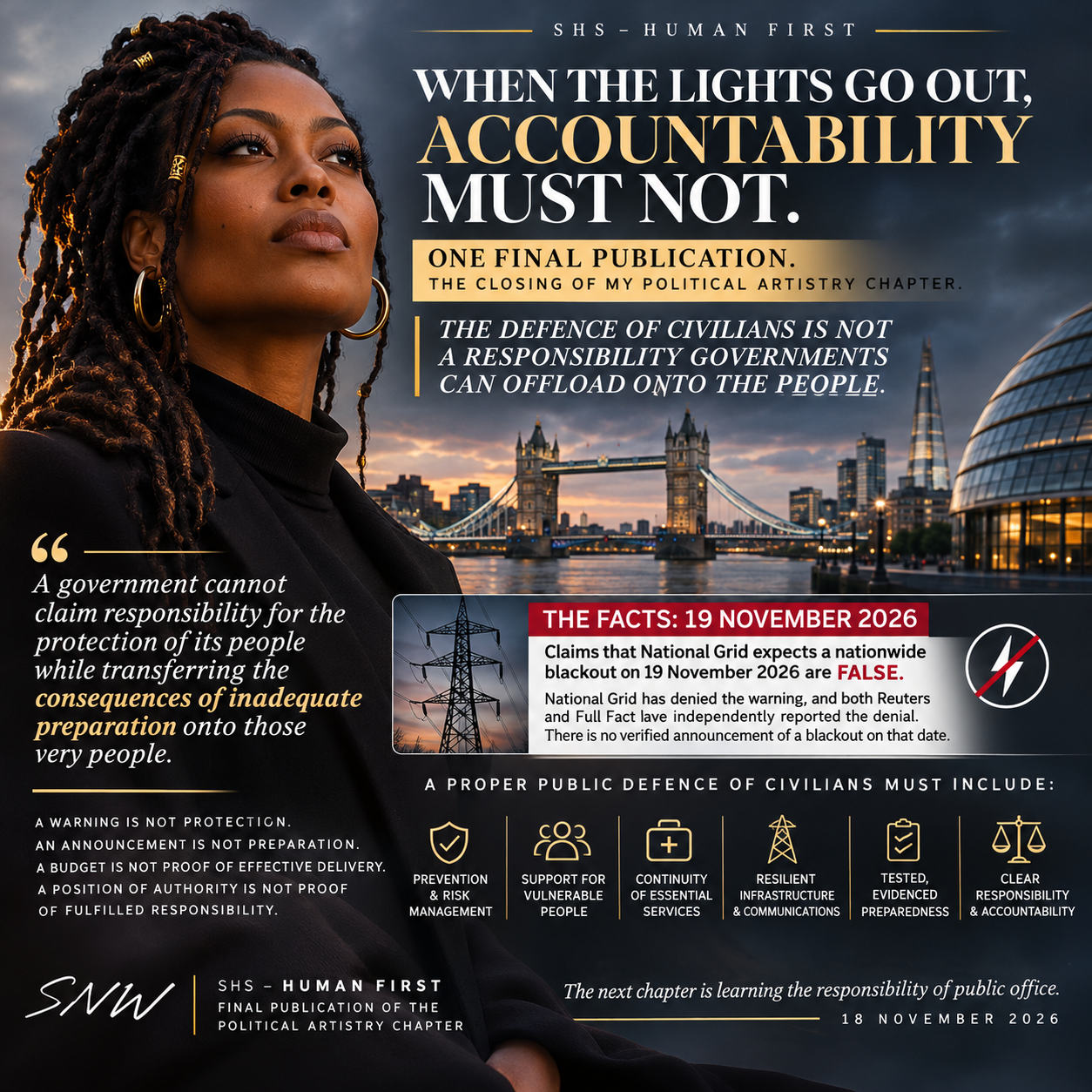
One of the greatest misconceptions humanity has ever made is believing that legality and righteousness are the same thing. They have never been. Law exists to establish the minimum conditions for order, but order alone has never been enough to cultivate life. If the ultimate objective of survival is merely to remain within the boundaries of the law, then anything the law fails to prohibit quietly becomes permissible, regardless of the damage it leaves behind. Law, by itself, cannot tell us whether something should happen. It can only tell us whether society has chosen to stop it from happening.
That leaves an enormous space between legality and responsibility, and that space has always belonged to morality and ethics. They are the lenses through which humanity asks a far more difficult question: “Even if I can do this, should I?” The problem begins when morality itself becomes fragmented, ethics become negotiable, and every individual begins carrying their own version of right and wrong without any deeper point of reference. At that moment, society slowly becomes a collection of competing subjective realities, each defending itself with equal conviction, while the law attempts to govern them all through the lowest common denominator.
This is where the phrase “no foul” quietly enters civilisation. If no law has been broken, then no wrong is recognised. If no regulation has been violated, then no accountability is required. Harm becomes invisible simply because it has not yet been legislated. Yet reality does not operate according to legislation. Consequences unfold regardless of whether a parliament has written them down. Relationships deteriorate. Communities fragment. Ecosystems collapse. Minds become exhausted. Trust erodes. Reality continues collecting the consequences while institutions wait for enough damage to occur before deciding whether a new law is necessary.
Perhaps this is why governing bodies inevitably shape the moral landscape of a civilisation, even when they claim neutrality. Every legal omission is still a decision. Every tolerated behaviour communicates something. Every action left unregulated tells society, intentionally or not, “This is a consequence we are currently willing to live with.” That does not necessarily mean those consequences are desired. It means they have not yet been sufficiently recognised, prioritised, or addressed through law.
This is why I believe legality can never become the highest standard of a civilisation. The law should follow wisdom, not replace it. Ethics should challenge the law. Morality should challenge ethics. Reality should challenge them all. Otherwise we slowly build a world where the question is no longer, “Does this cultivate life?” but merely, “Can I get away with it?”
And perhaps that is the quiet difference between surviving as a society and maturing as one. Survival asks, “Is it legal?” Wisdom asks, “Does it give life?” The future of any civilisation will ultimately be decided by which of those questions it chooses to answer first.
…
If the goal of survival is to stay within the law, only morals and ethics can judge what happens within the law, and if thats not arbitrated, the sayong “no faul” works. Yet when not even morality nor ethics is agreed upon, it all becomes a subjective experience, regardless of its harm, if it is legal the governing bodies are allowing it to happen.
…
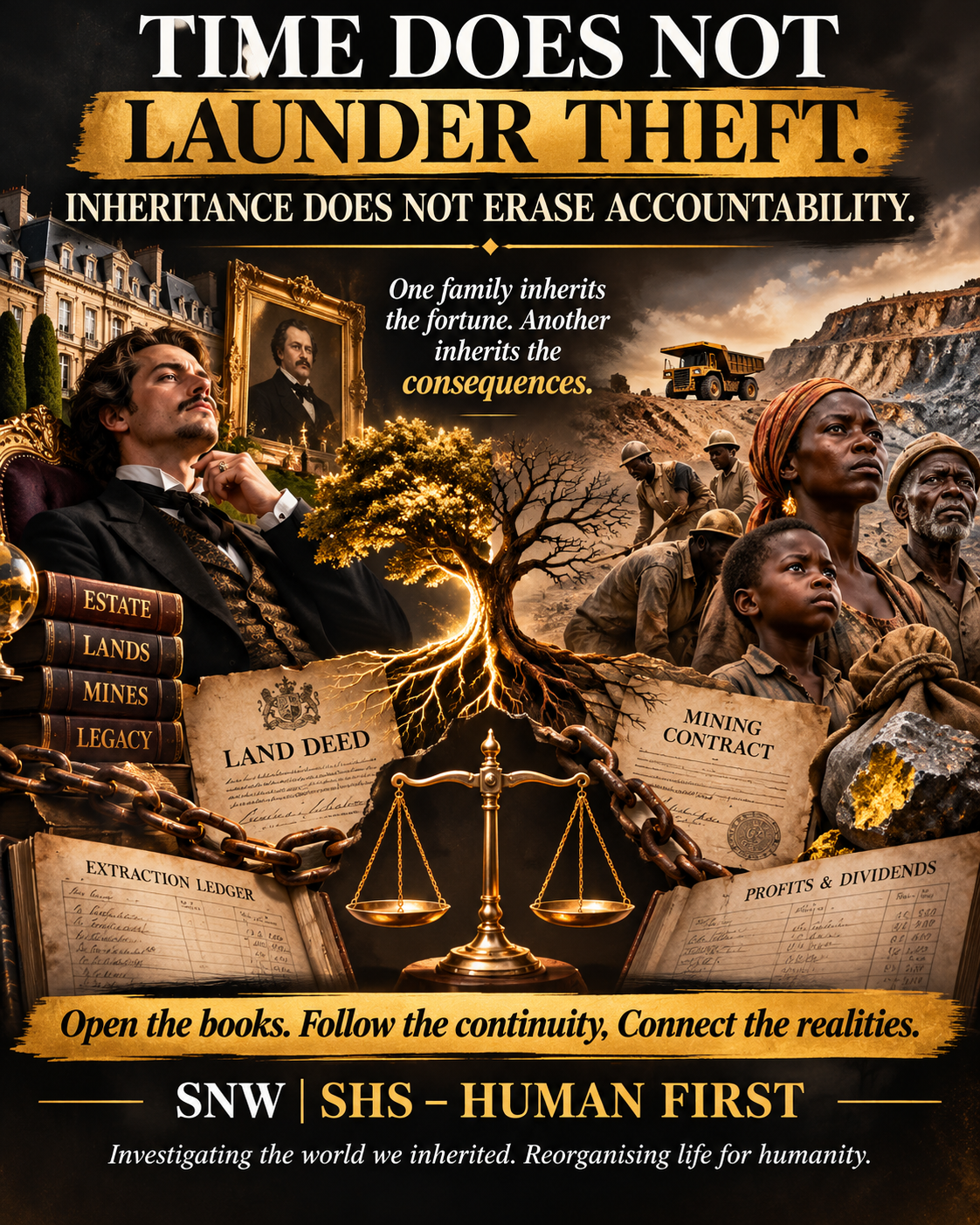
Unrecognised is an existence. Unrecognised work, are still a work of art, recognised, known or not. It’s as if the greats had kept it all for tbemselves. What would any industry be without it.. we can’t recognise big thinkers in modern era, cause there aren’t many doing it for the greater good, nor out of pure passion of contributing to life. We run from it, so we don’t value it, we distract ourselves through it.



Leave a Reply