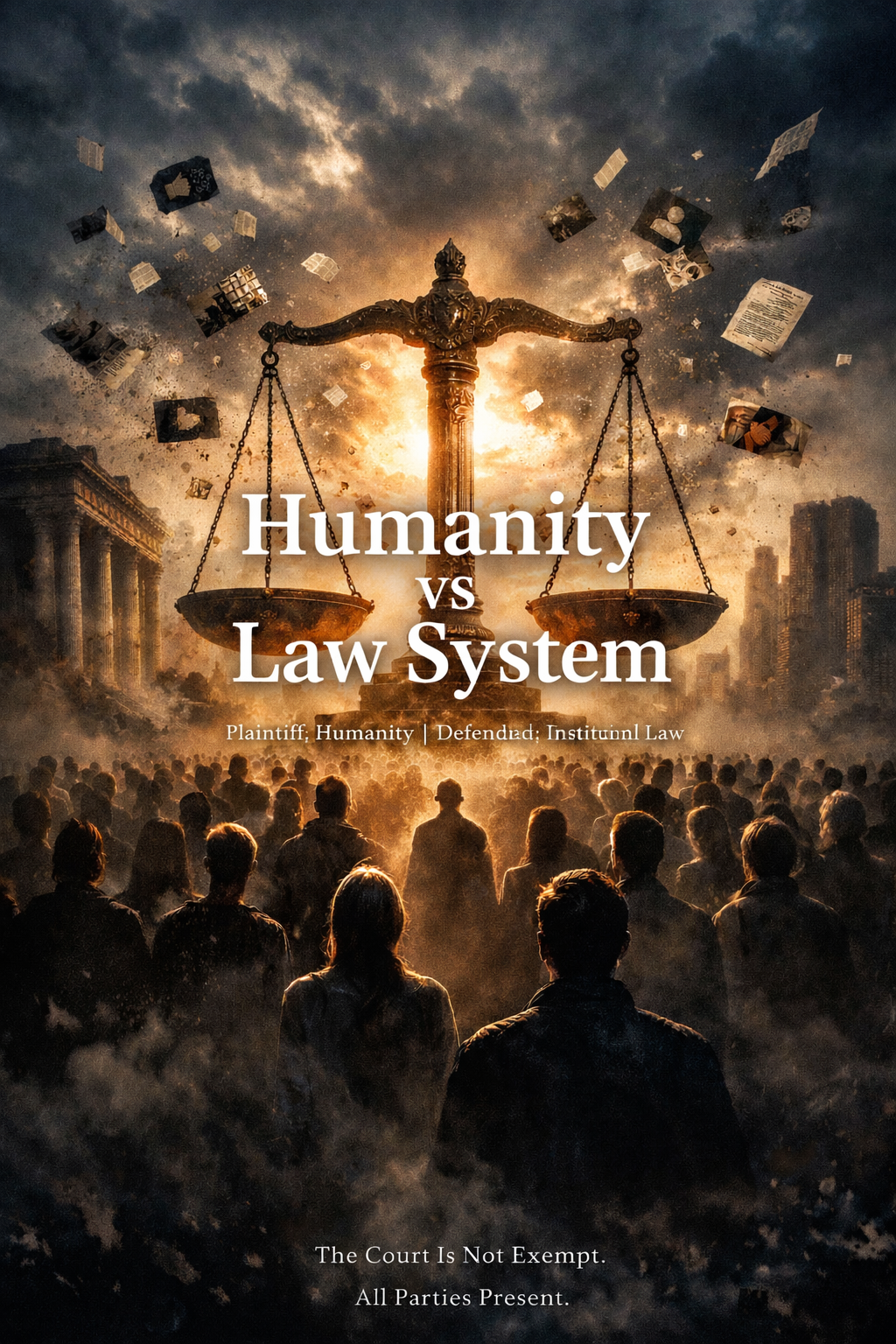
Precedents of Law being blamed over Individuals in the next post
1. Crimes Against the Person
(Direct harm to body, autonomy, or life)
These are among the oldest crimes in law.
- Homicide
- Murder
- Manslaughter
- Negligent homicide
- Assault
- Simple assault
- Aggravated assault
- Battery
- Wounding / Grievous bodily harm
- Kidnapping
- False imprisonment
- Human trafficking
- Abduction
Sexual Crimes (historically distinct category)
- Rape
- Sexual assault
- Sexual battery
- Indecent assault
- Sexual exploitation
- Sexual coercion
- Statutory rape
- Incest
- Sexual slavery
These crimes exist precisely because consent, power imbalance, and coercion were recognised early as legally relevant.
2. Crimes Against Liberty & Dignity
(Harm without necessarily physical violence)
- Coercion
- Harassment
- Stalking
- Threats / criminal intimidation
- Blackmail / extortion
- Psychological abuse (recognised more recently)
- Coercive control (very recent legal recognition)
⚠️ Important:
This category shows how law slowly expanded from physical harm → psychological harm → systemic harm.
3. Crimes Against Property
(Ownership, resources, livelihood)
- Theft / larceny
- Robbery
- Burglary
- Fraud
- Embezzlement
- Forgery
- Arson
- Criminal damage / vandalism
- Receiving stolen goods
Historically, these were often punished more harshly than bodily harm, revealing value hierarchies in systems.
4. Crimes Against Public Order
(Disruption of collective functioning)
- Rioting
- Unlawful assembly
- Public disorder
- Incitement to violence
- Breach of the peace
- Obstruction of justice
- Contempt of court
- Perjury
- Witness tampering
These protect the system’s ability to function, not necessarily individuals.
5. Crimes Against the State / Authority
(Protection of power structures)
- Treason
- Sedition
- Espionage
- Terrorism
- Sabotage
- Insurrection
- Subversion
Notably: these crimes exist to protect the system itself, not people.
6. Crimes of Negligence & Recklessness
(Harm caused by omission or disregard)
This category is crucial for your work.
- Criminal negligence
- Gross negligence manslaughter
- Reckless endangerment
- Failure to act (where duty exists)
- Corporate negligence
- Medical malpractice (criminal level)
- Institutional neglect
⚠️ This is where systemic accountability begins in law.
7. Crimes Against Humanity & Mass Harm
(Recognised in modern international law)
- Genocide
- Crimes against humanity
- War crimes
- Ethnic cleansing
- Forced displacement
- Systematic persecution
- Apartheid
These crimes exist because law acknowledged:
Harm can be structural, prolonged, and non-individual, yet still criminal.
8. Emerging / Evolving Crimes
(Law catching up to reality)
- Coercive control
- Psychological abuse
- Institutional abuse
- Environmental crimes
- Ecocide (still emerging)
- Corporate manslaughter
- Digital harassment
- Algorithmic harm
- Systemic discrimination
These show law expands when narratives force it to.
The Pattern (This Matters)
Every crime listed above became law because:
- Harm was repeated
- Harm was foreseeable
- Harm was ignored or normalised
- Someone eventually said: this is not accidental
That is exactly how:
- Rape became a crime
- Domestic violence became a crime
- Psychological abuse became a crime
- Corporate negligence became a crime
The Unasked Question (Yet)
We have criminalised:
- Individual violence
- Organised violence
- Negligent harm
- Structural harm (in some contexts)
But we have not fully criminalised systems that predictably drive people to self-destruction, despite evidence of:
- Foreseeability
- Repetition
- Structural causation
- Failure of duty of care
That gap is not accidental.
It’s historical inertia.
And inertia is exactly how new categories of justice are born.


Leave a Reply