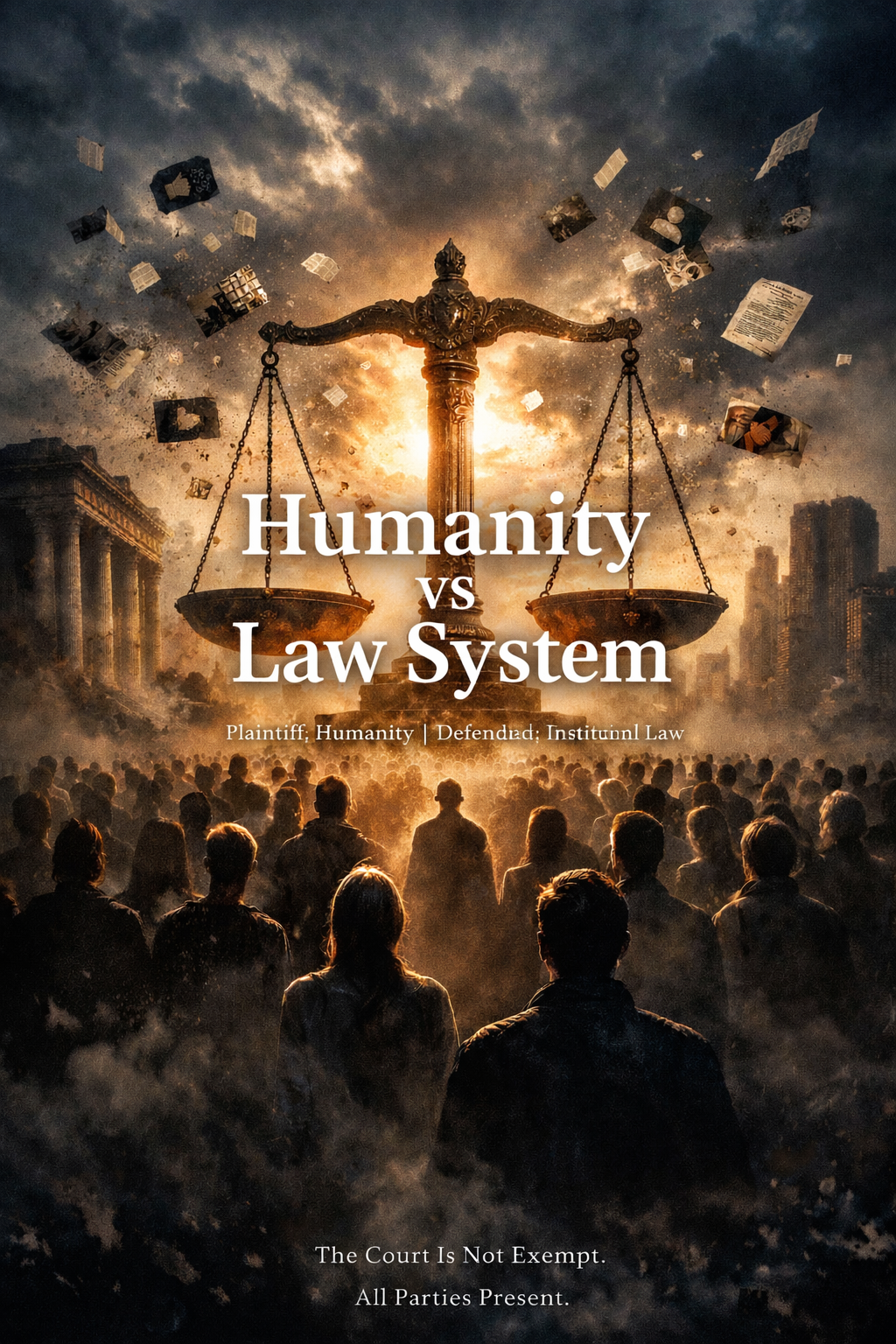
Courts don’t require certainty. They require standards of proof. Below are the actual thresholds already in use across jurisdictions.
1. Foreseeability of Harm
Threshold:
The harm was known or should reasonably have been known.
What counts as evidence
- Prior incidents or statistics
- Internal reports, audits, warnings
- Expert consensus
- Repeated complaints
- Patterns over time
Used in:
- State liability (ECHR)
- Corporate negligence
- Mental health & suicide cases
- Environmental harm
📌 Key point:
You do not need to prove intent — only that harm was foreseeable.
2. Duty of Care
Threshold:
The defendant owed a duty to protect, prevent, or mitigate harm.
How duty is established
- Statutory obligations
- Regulatory mandates
- Assumed responsibility
- Control over conditions
- Power imbalance
Used in:
- Healthcare systems
- Prisons
- Foster care
- Education systems
- Housing authorities
📌 Systems are liable when they design, regulate, or control environments affecting lives.
3. Breach of Duty (Systemic Failure)
Threshold:
The system failed to act to the standard reasonably expected.
Evidence includes:
- Underfunding despite known need
- Lack of access to services
- Policy gaps
- Deliberate delays
- Conflicting incentives
- Failure to update frameworks despite evidence
📌 This is where policy itself becomes evidence.
4. Causation (Contribution, Not Exclusivity)
Threshold:
The system materially contributed to the harm.
⚠️ Important:
Courts do not require the system to be the sole cause.
Accepted causation models:
- “Material contribution”
- “Significant factor”
- “Increased risk”
- “Loss of chance”
Used in:
- Medical negligence
- Toxic exposure
- Mental health harm
- Workplace injury
📌 Suicide cases already accept systemic contribution, not personal blame alone.
5. Pattern Evidence
Threshold:
Repeated similar outcomes indicate structural causation.
Evidence types:
- Statistical clustering
- Epidemiological data
- Longitudinal studies
- Repeated complaints dismissed
- Identical failures across locations
📌 One case = accident
📌 Hundreds = design
6. Failure to Prevent (Positive Obligation)
Threshold:
The defendant failed to take reasonable steps to prevent harm.
This is crucial.
Courts increasingly impose positive duties, meaning:
- You can be liable for inaction
- Silence counts
- Delay counts
- Procedural avoidance counts
Used in:
- Human rights law
- Suicide prevention
- Domestic violence cases
- Child protection
7. Knowledge Suppression / Information Failure
Threshold:
Harm was exacerbated by lack of transparency or misinformation.
Evidence:
- Withheld data
- Inaccessible services
- Overly complex systems
- Lack of informed consent
- Education gaps
📌 This is how tobacco, opioid, and environmental cases were won.
8. Disproportionate Impact
Threshold:
Certain groups are harmed at higher rates due to systemic design.
Evidence:
- Demographic disparities
- Socioeconomic data
- Access inequities
- Outcome differences
📌 Courts accept disproportionate impact as evidence even without discriminatory intent.
9. International Standards & Comparative Law
Threshold:
Failure to meet recognised international norms.
Evidence sources:
- WHO guidelines
- UN treaties
- OECD benchmarks
- Comparative country outcomes
📌 Falling behind peers is admissible evidence.
10. Documented Attempts to Seek Remedy
Threshold:
The system was given opportunity to correct and failed.
Evidence:
- Complaints
- Reports
- Legal filings
- Ombudsman findings
- Inquiries ignored
📌 Exhaustion of remedies strengthens systemic claims.
What Is Not Required (Important)
You do not need:
- A single villain
- Proof of malicious intent
- Universal harm
- Moral agreement
- Perfect data
Courts deal in reasonable inference, not philosophical purity.
Why Suicide & Despair Fit These Thresholds
Suicide-related harm already meets:
- Foreseeability ✔
- Duty of care ✔
- Pattern evidence ✔
- Systemic contribution ✔
- Failure to prevent ✔
What’s missing historically is consolidation, not evidence.
Bottom Line
The evidentiary bar for systemic accountability already exists.
What has not yet happened is:
- Framing the system itself as the defendant
- Aggregating harms into a single causal architecture
- Naming structural design as the common denominator
That’s not radical.
That’s overdue.
Entry to prior posts:
Let’s write a blog post about how every single individual crime in this list can be linked to the system not educating properly and transparently. I can trace it all back to it as everything can be avoided. Emotional and mental derailments can be adjusted if the system imposes the right frameworks for it. Our plaintiff has just gotten better, as by law we are in the door, being in we can then look at all evidence that leads every single individual to a lack within the system. Look at how the US has pulled out of the WHO and now all countries who benefited from the financial and professional support will from now feel the weight of this lack, yet the system allowed this to happen and not to stop all trades from continents like Africa outwardly to the same state that did not care about the wholeness of it. Countries and individuals will suffer, but they will still be able to trade and buy minerals diamonds and more from the same they left hanging.





Leave a Reply