

I takes things serious lightly, cause they are seriously light, people make them heavy.
Okay, I’m gonna show you how to do it. (Teaching AI how to give me daily reports) So you see this question, right? So the question is misleading in its nature, in the sense that it assumes that the individual towns wouldn’t have the ability to build their own educational systems if education was really centralized in the sense that everyone received the exact same education everywhere. The only reason as to why we need as much transportation as we do now, it’s simply because there’s a hierarchy, even in land. There’s a hierarchy to which towns are supposed to host the most. When we look at the UK, everyone comes to London, not because London has been appointed to being the one that houses everything, but it’s because London, it’s because there’s an existence of hierarchy. So instead of creating a system that educates the wholeness of UK across the board and spreads the resources across the whole nation, the resources are held in the city of London, moved through the Greater London, and other cities don’t get as much. If we give, we start giving just as much to other cities, they would also be able to build their own ecosystems, especially if the ecosystem is something that can be easily adopted. The difficulties are in the creations of a hierarchy of things, and because people want to be the best at things instead of actually doing what’s best for everyone. The whole issue is in the ways people think, and the ways people think affect the ways that people organize things. And that’s the biggest issue that we have. It’s not necessarily the fact that we are incapable of building our own. Everyone is capable of building their own. That’s why even the WHO talking about bringing more technological infrastructure to developing countries, that’s them creating what they perceive to be the best solution and bringing it there. But those who live there know what’s best for their country. Instead of bringing their own, they should actually just give their resources, give the resources that they have and allow them to build within the boundaries of what it’s been defined to expend that money for, and in doing so, they just build their own. They have capabilities. They’ve been studying. They’re educated. They know the land. They know the people. They’re the better people to do it, you know? But because of the excuse that organizations have, excuse that individuals have, because individuals make organizations. An organization is an abstract concept. It doesn’t have a body. It doesn’t make decisions for its own. It’s like a child. The ways in which we nurse our children, it’s almost like a mirror to how we nurse our companies and countries and civilizations. But there is a better way. It’s just not a chosen way. But that doesn’t make it an impossible way. It just makes it an avoided way. So imagine if London was to share its capital with the whole nation and also consults, put themselves in a position of consultation, and that is being one that provides when prompted. Then London can really deliver the benefit of being the capital, you know? The capital is the one that should provide, not the one that should herd everything. Because it puts a strain on everyone, both those in the capital, because they feel how compacted it is and how tight it’s getting, and also those that are outside of the capital that don’t have to commute five hours multiple times a week, if not a day, just to have access to certain resources, you know? It’s quite a strained way of doing business, basically. But if you centralize education, that means that everyone gets the same, and that takes pressure off of the capital, and it also strengthens the national body, because then what is now quote-unquote considered as the weak link then becomes just as strong as the main city. And when it becomes that, it becomes strength in numbers and power, not just numbers. Because the number stays the same. It’s just the capabilities grow throughout. That is what I see possible as a pathway to what the current prime minister started. That is what’s to come. It’s not just about giving more power to councils. It’s about decentralizing the very foundations that we live upon.
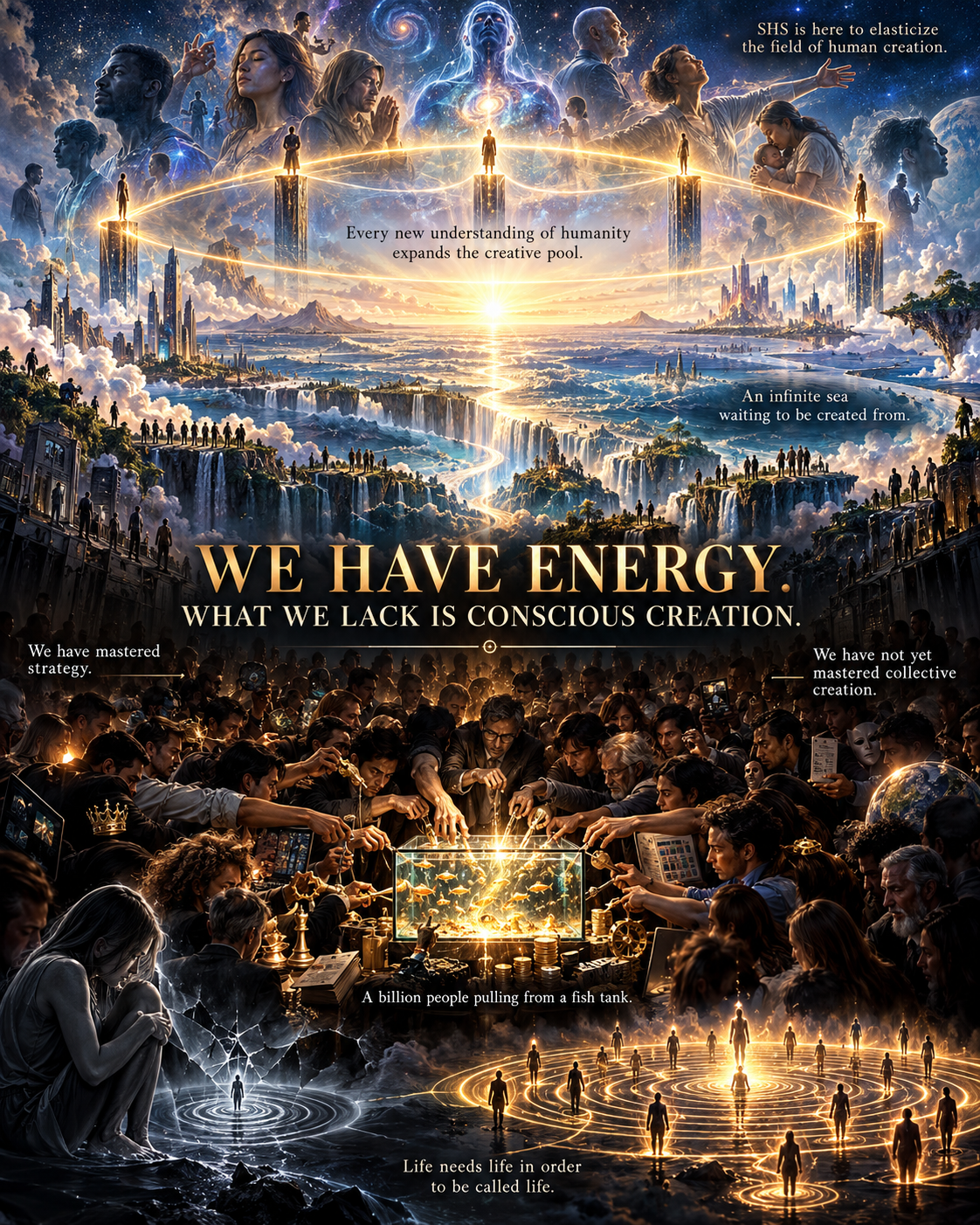
Okay, now I want you to write a full detailed document explaining this political structure. You can look at what’s been built for SHS as Mira, towards good, as the decentralized idea of, for example, education. If you have the same education taught across two different locations, then you expand the reach of the education itself instead of the reach of the city, as things are different now. We’re not in a monarchy anymore. Well, in a structure where it requires the Presbyterians to be close to the… and I laugh saying this, but to be close to the crown. Everyone can gain the same value across the whole nation without having to be closer to the monarchy. It’s understandable why London has become this big womb because the monarchy is here, though at the same time it also puts a strain on everyone else at this current moment in time because things have changed. Now every city, every port can provide for its own. It’s like the mother that doesn’t want to leave the child at school on the first day, you know? And it’s time for the child to go and do its own. And look at how with SHS we’re giving accessibility to things that would have been either spread out financially or locally in proximity to where people work, in proximity to where people live, in proximity, instead of doing it across. Because now it’s not everyone that lives in London. Everyone comes to London because that’s where everything is set. But if things were to be spread out across the country, then people would go more across the country. They would have more of a choice. If someone wants to live the education that they would only get in London, or the context that they would only get in London in Manchester, then they would do so there. I once wanted to move there. I thought that I was going to live there indefinitely, and then things happened and I came back to London, but I probably would have gone to the same, if not sooner, but without the experience of London, if I had lived there, because I would have seen it from the outside in. But I’m glad that things went the way that they went for me. But at the same time, with the SHS module, we’re going to test in London, but we’re not planning to stay in London. I was having the idea of staying in London, but we’re testing in London and then we’re spreading it across because then we’ll be able to deliver the same value to humanity in different parts of the world, in different parts of the country, and it’s standardized. It’s almost like entering in the same place, and every time that you enter in that place, it’s the place of no place. It’s like Neverland, because it’s the exact same everywhere. It just happens to take on the personality of the land, because as we had mentioned in the past, every location will embody the history of the location. For example, in UK, in London, it would be more characterized by the city and everything that London has been and the different aspects that make me, because it’s the first location, so it’s going to be more personal. So the first one will be black only, like the history of black culture across all locations in the world and history, to retrace the beginning of humanity. And then second one will be British, all about the British history. And the third one we’ll see still, maybe the one for artists, but then it then also pulls in all the artists here, so we’ll see where to position that. Maybe the artist one in Manchester, because Media City is quite a bit on, or maybe somewhere where it doesn’t have as strong port for artists, so that we draw artists to also discover different influential environments, because everything influences us. But if everyone comes to London to create music or to create movies or to create fashion designs or whatever the case might be, they’re all being influenced by the same city. Yes, different perspectives to it, but it’s been the way in which it has been for a very long time. But there’s artists across the country that are getting different types of nature, different types of housing, different types of lives, different types of dynamics that influences them differently. So that can be an add-on as well.



Leave a Reply